



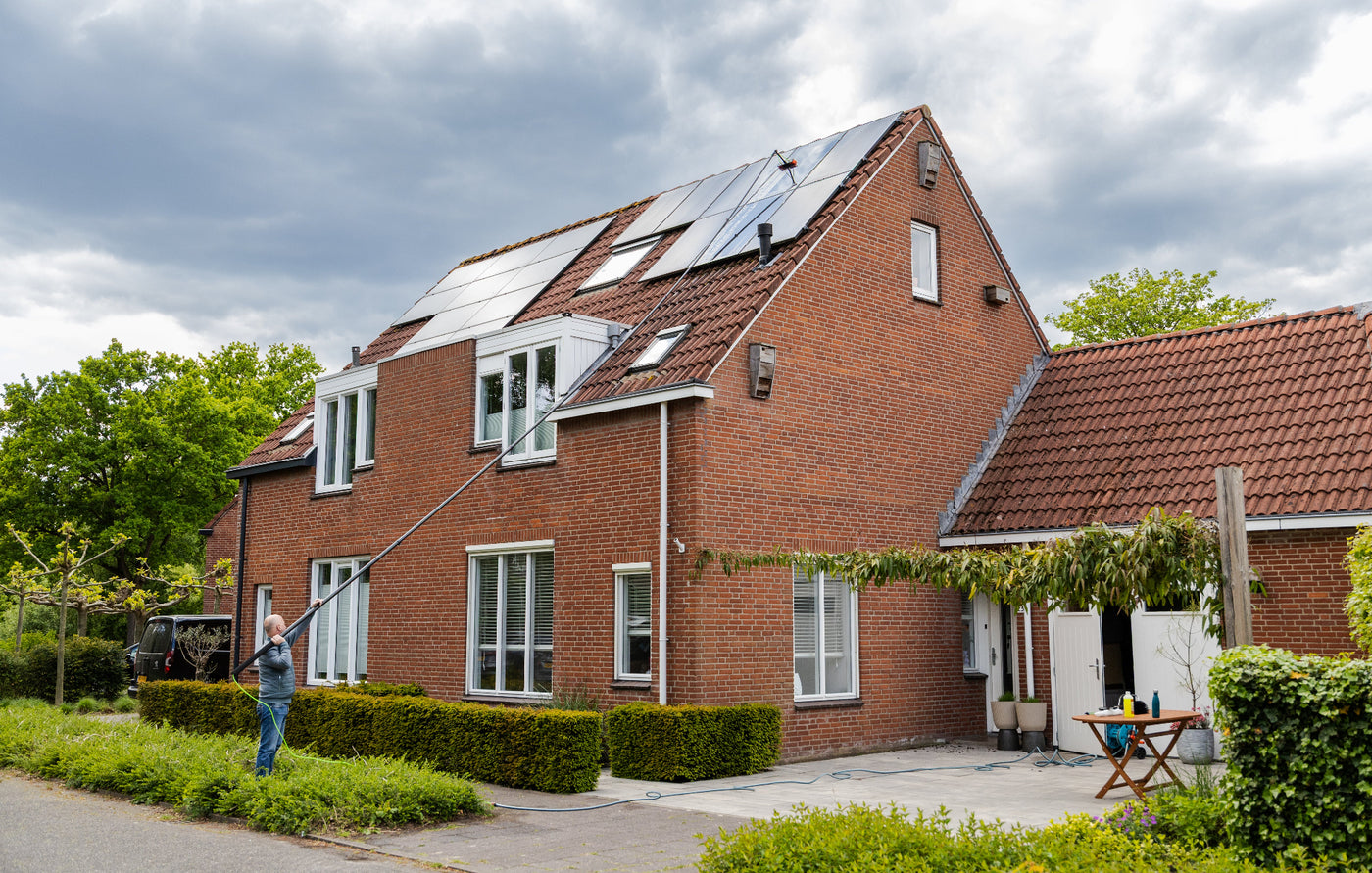

What is Keralit and what maintenance does it need?
Keralit is a brand name for plastic facade and roof-edge cladding. The material is low-maintenance, but outdoors it will gradually become soiled by dust, precipitation, traffic, trees, algae and bird droppings.
Regular cleaning helps prevent dirt from becoming unnecessarily caked on and keeps the panels' colour and texture visible. Painting or intensive maintenance is not required: water, a soft washing brush and mild soapy water are usually sufficient.
Suitable products for cleaning Keralit
-
Added to wishlist
-
-
Added to wishlist
-
-
Added to wishlist
-
-
Added to wishlist
-








Why and how often should you clean Keralit?
Keralit is best cleaned completely at least once a year. Spring is a logical time to remove winter dirt. Cleaning at the start of autumn is also possible, for example when trees, traffic or weather have caused visible deposits.
Do not wait for the annual clean when you see bird droppings, local green deposits or other stubborn dirt. Removing it promptly and carefully reduces the chance of it adhering more firmly to the facade. Preferably clean an entire facade section: cleaning only a small area can create a visible colour difference between the clean and still-dirty surface.
- Clean at least once a year.
- Remove bird droppings and conspicuous marks as quickly as possible.
- Schedule an extra clean where there are many trees, heavy traffic, sea air or visible green deposits.
- Choose a cool, cloudy day so the soapy water does not dry too quickly.

Which telescopic pole should you use to clean Keralit?
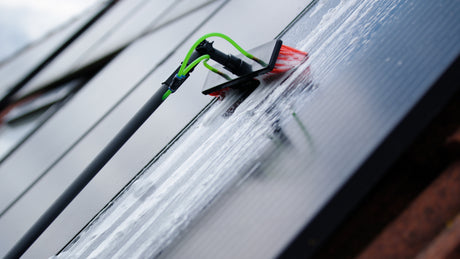
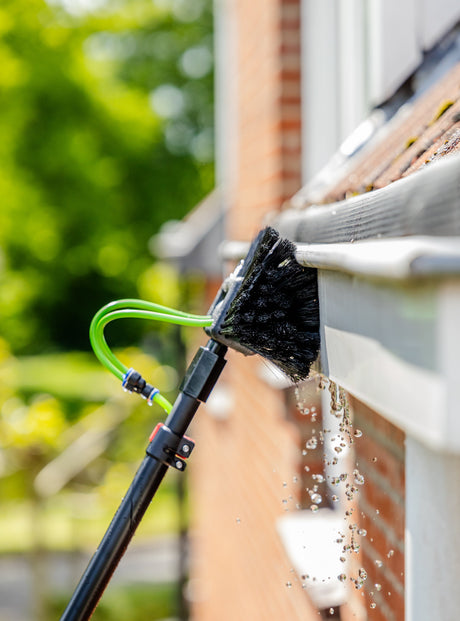
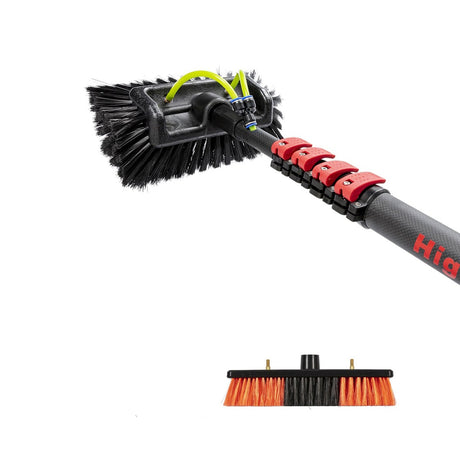
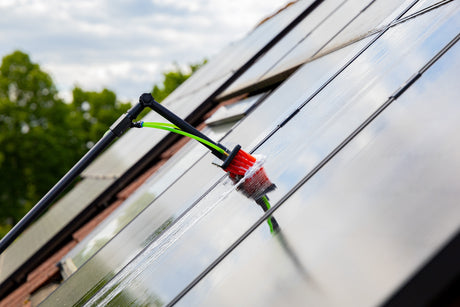
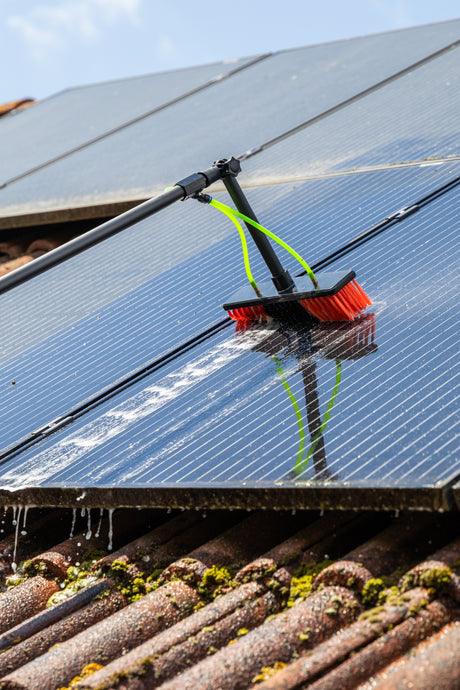
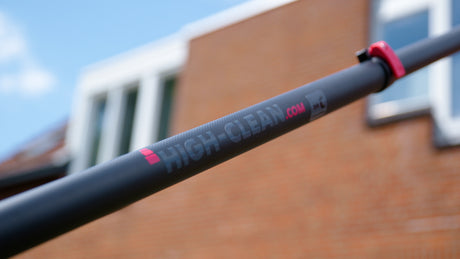
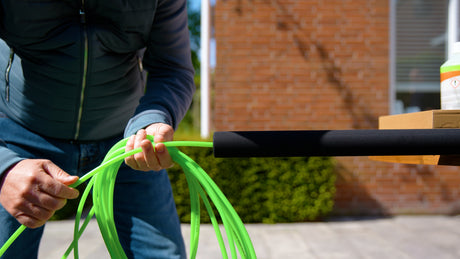
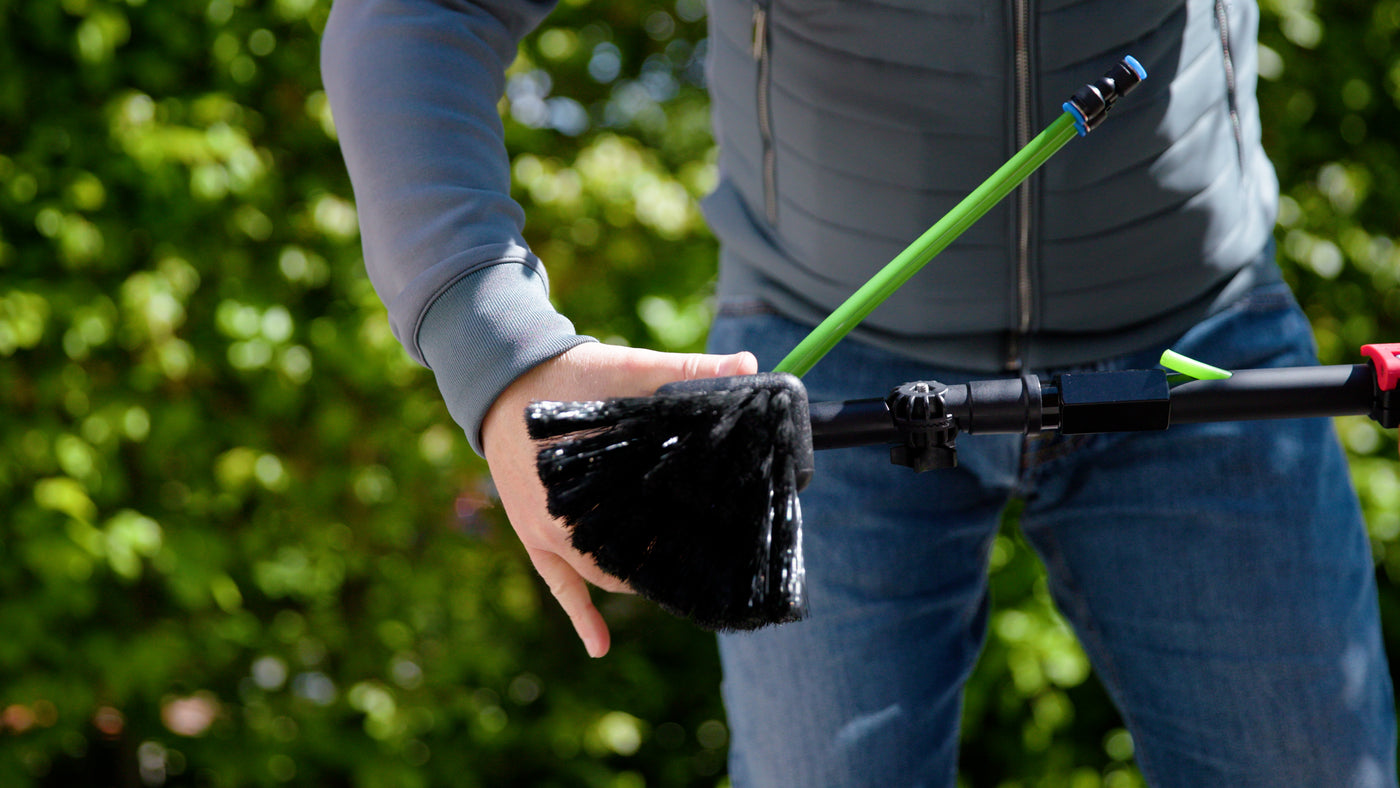
For cleaning Keralit, a water-fed telescopic pole with a soft five-sided brush is a practical combination. The hose carries water through the pole to the spray nozzles in the brush, allowing you to loosen and rinse away dirt at the same time.
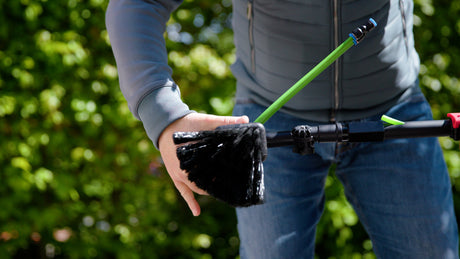
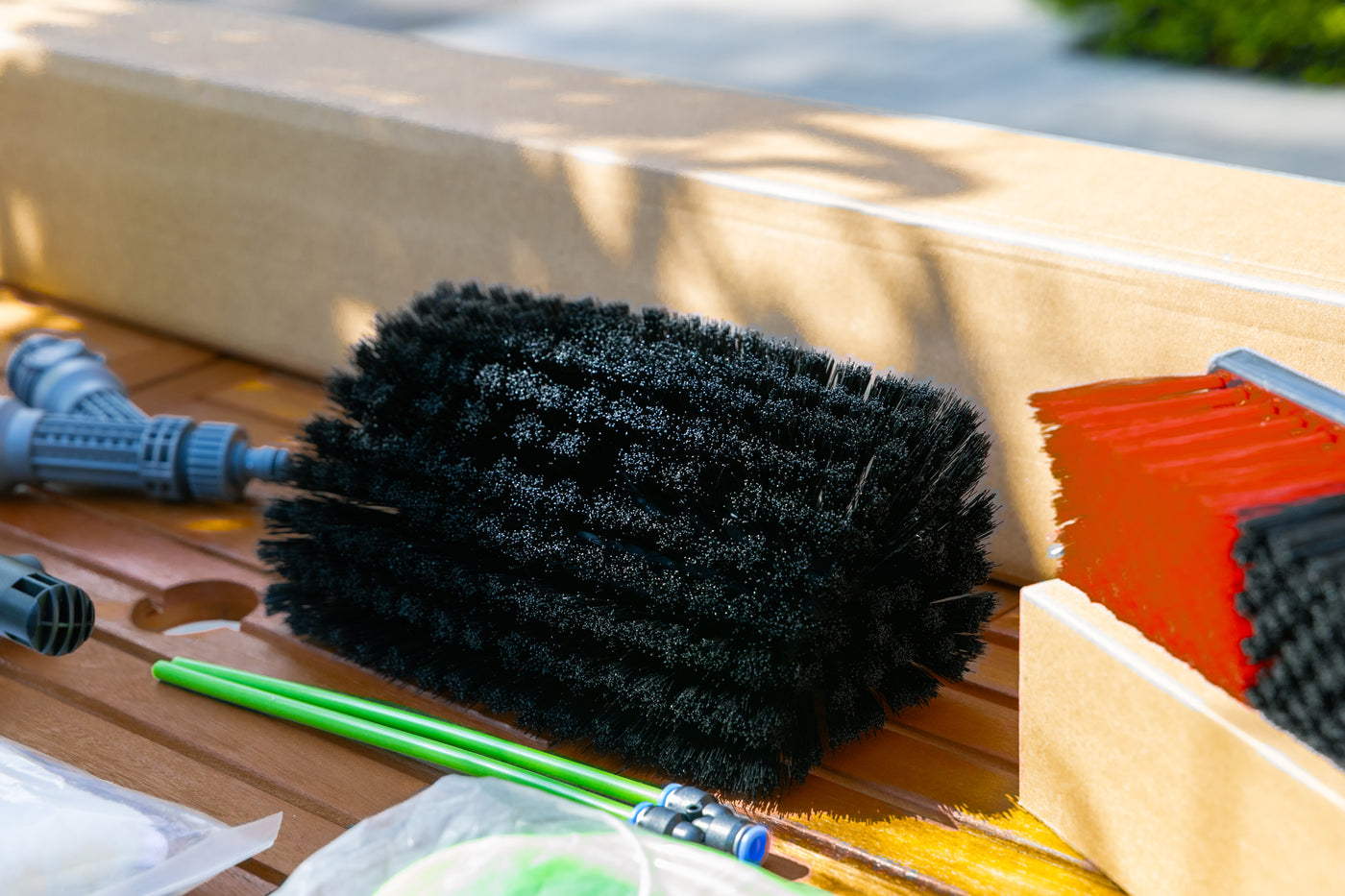
The five-sided brush for telescopic poles has bristles on several sides. This lets you clean flat panels as well as the edges and undersides of facade cladding. Always check the brush for sand and other sharp dirt beforehand and use light pressure.
Aluminium for lower facades
Aluminium is an economical choice for lower facades and occasional use. It is heavier than Carbon Fiber, which is particularly noticeable with a longer pole or an extensive cleaning job. For a limited working height, the aluminium telescopic pole with five-sided brush may be sufficient.
Carbon Fiber for greater comfort
Carbon Fiber weighs less than aluminium. This reduces strain on your arms and shoulders when you work for longer or need more reach. The Carbon Fiber telescopic pole with five-sided brush is therefore well suited to higher facades and more regular use.
3K Full Carbon for great heights
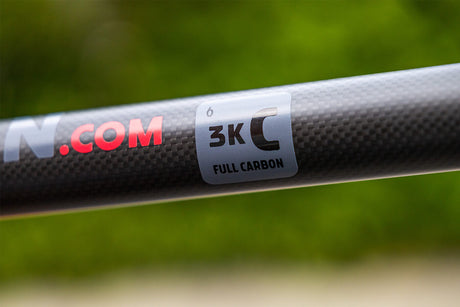
3K Full Carbon is the lightest and stiffest material option in the range. Less bending gives you more control over the brush when the pole is extended far. The 3K Full Carbon telescopic pole with five-sided brush is available in versions up to 18.2 metres and is particularly suitable for great heights and intensive use.
Do not measure only the vertical height of the facade. Also account for your distance from the wall and the pole running upwards at an angle. View the comparison of telescopic-pole materials to compare aluminium, Carbon Fiber and 3K Full Carbon further.

Cleaning Keralit in 6 steps
- Check the facade and your workplace. Close windows and doors, inspect the panels for damage and make sure you can work from a flat, stable surface.
- Rinse the entire facade section. Use plenty of clean water to rinse away dust and loose dirt. Allow caked-on contamination to soak briefly before brushing.
- Prepare mild soapy water. Use a product considered suitable by the manufacturer, such as soft soap or green soap. Follow the recommended dosage and your facade panels' maintenance instructions.
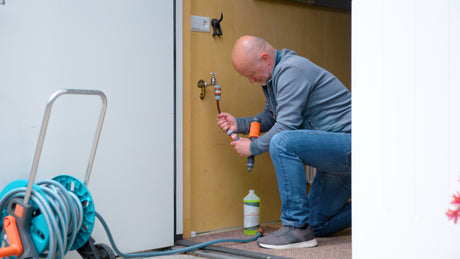
- Brush the Keralit gently. Connect the telescopic pole to the garden hose and work in manageable strips. Keep the surface wet and do not apply excessive pressure.
- Check for remaining dirt. Treat visible marks again with the mild soapy water. Let the product work briefly instead of scrubbing harder.
- Rinse the facade completely. Remove all loosened dirt and soap residue with clean water. If necessary, wipe accessible sections with a soft, non-abrasive cloth.
Do not extend the sections farther than prescribed. Part of each section must remain inside the thicker section below it for sufficient stability. The High-Clean manual contains instructions for extending, connecting and using the telescopic pole.
Would you first like to see how the different components are used? Watch the videos about the High-Clean telescopic pole.

Which Keralit cleaner can you use?
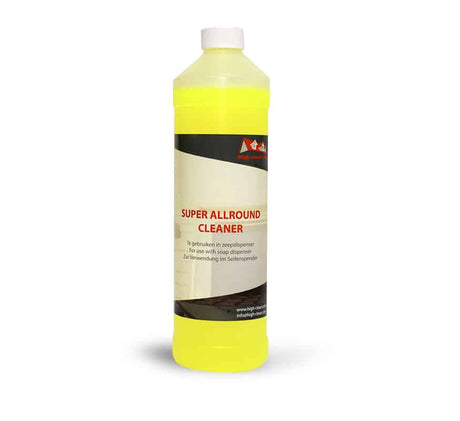
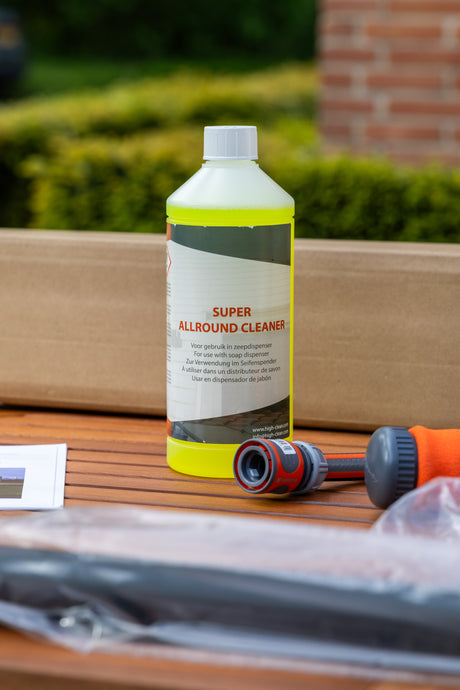
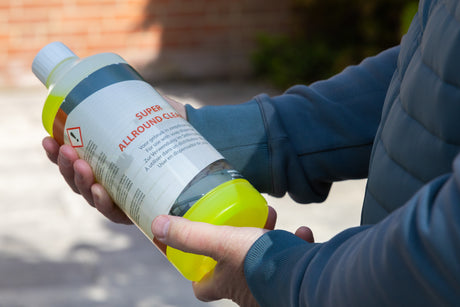
For normal maintenance, High-Clean Super Allround Cleaner is sufficient. If you prefer a concentrated cleaning product, first check whether it is suitable for your type of facade panel.
High-Clean Super Allround Cleaner can be added to the water supply with a soap dispenser. Follow the dosage on the product and, if in doubt, first test a cleaning agent on a small, inconspicuous area.
Never mix different cleaning agents. For unknown marks or unusual facade panels, consult the panel manufacturer's maintenance information first.

What should you avoid when cleaning plastic facade cladding?
A gentle cleaning method is more important than using a lot of force. Plastic facade cladding can become damaged or dry unevenly if you use an overly aggressive product or tool.
- Do not use a scouring pad, abrasive cleaner or hard brush.
- Do not use solvents or aggressive chemicals.
- Do not aim a pressure washer at the panels, seams or connections.
- Do not allow soapy water and loosened dirt to dry on the facade.
- Do not use a brush containing sand or sharp particles.
- Stop working if strong wind makes the telescopic pole difficult to control.
- Do not reach beyond your stable working position to gain a little extra height.
Can you not reach the facade safely from the ground, or is the surface unstable? Choose another working position or hire a professional cleaner.
Frequently asked questions about cleaning Keralit
How often should you clean Keralit?
How often should you clean Keralit?
Clean the entire facade at least once a year. An extra cleaning session is advisable if there are visible green deposits, bird droppings or heavy soiling from trees and traffic.
Can you clean Keralit with green soap?
Can you clean Keralit with green soap?
Yes. According to Keralit maintenance information, the panels can be cleaned with soapy water made with soft soap, including green soap. Use a soft brush, allow stubborn dirt to soak briefly and rinse well.
Can you use a pressure washer on Keralit?
Can you use a pressure washer on Keralit?
This is not recommended. The powerful water jet may damage panels or connections. A water-fed telescopic pole gives you more control over the water pressure and movement of the brush.
Which brush is suitable for Keralit?
Which brush is suitable for Keralit?
Choose a clean, soft brush without hard or sharp edges, such as the five-sided brush. A five-sided brush reaches edges and undersides as well as the flat surface. Always use light pressure.
What length of telescopic pole do you need?
What length of telescopic pole do you need?
Measure the vertical height and the distance between your working position and the facade. Allow some extra length because the pole is held at an angle and the sections must remain partially nested for sufficient stability.
Can you clean high Keralit facade cladding yourself?
Can you clean high Keralit facade cladding yourself?
You can if you can reach the facade from a flat surface with a suitable telescopic pole. If the ground is unstable, obstacles are present or you cannot control the pole, hire a professional.