



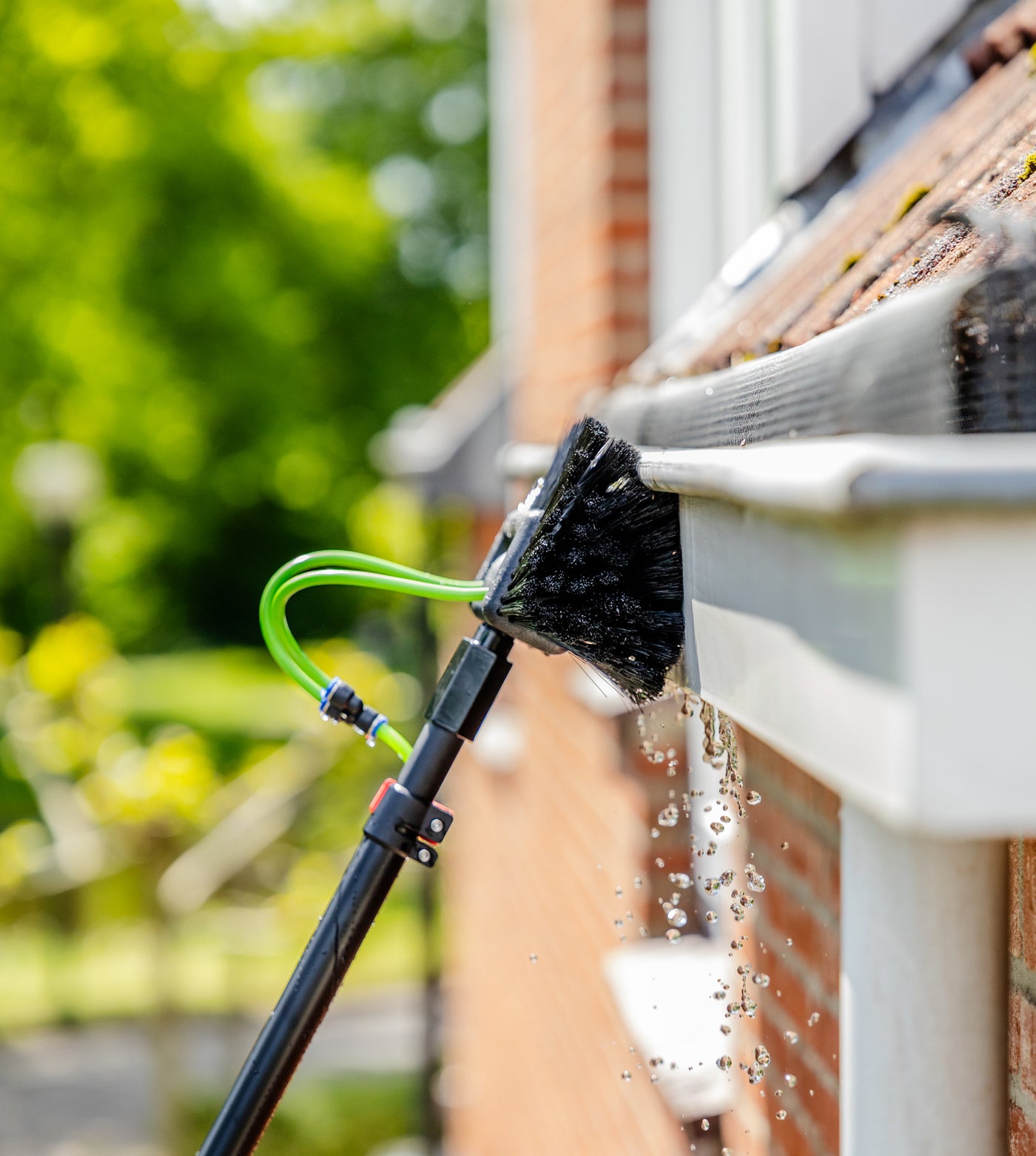

Why cleaning woodwork is important
Exterior woodwork is exposed to dust, sand, insect residue, bird droppings, green growth and dirt carried by rainwater. Removing this dirt periodically keeps the surface looking cared for and helps you notice damage, open joints or flaking paint sooner.
Dirt can also hold moisture against the surface for longer periods. The extent of its effect depends on the wood, the paint layer, the location of the property and the condition of the paintwork. Regularly cleaning woodwork is therefore a useful part of maintenance, but it does not replace repairs or painting.
Pay extra attention to horizontal edges, the undersides of window frames and high fascias. For the latter application, also read how to clean fascias with a telescopic pole.

Cleaning woodwork in 6 steps
- Check the surface. Make sure the paint layer is still firmly attached and inspect the wood for cracks, soft spots and open joints. Have damaged or affected wood assessed or repaired first.
- Choose a suitable working height. Measure from your working position to the highest part you want to reach. Bear in mind that a telescopic pole is more comfortable and stable when its sections are not fully extended.
- Rinse away loose dirt. Wet the surface with clean water. This removes sand and other loose dirt before you move the brush over the wood.
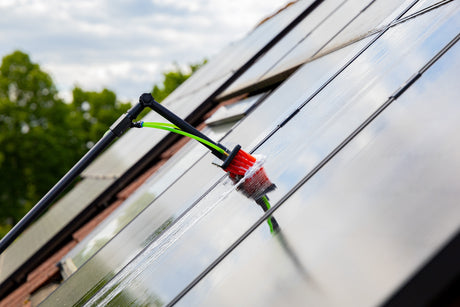
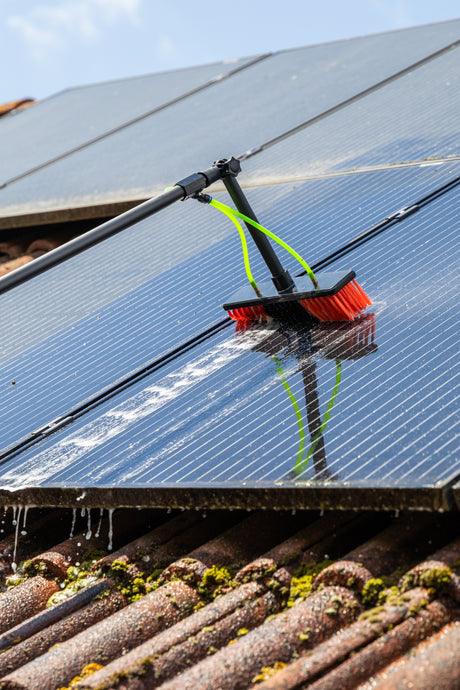
- Clean from top to bottom. Work in manageable strips and apply limited pressure. The water feed helps rinse away loosened dirt immediately.
- Treat corners and edges. Use the five-sided brush for frame profiles, undersides, overhangs and joints. Check regularly that no dirt remains trapped in the brush.
- Rinse the woodwork. Remove any remaining dirt and cleaning solution with clean water and allow the surface to dry evenly.
Work from a level, stable surface and keep a safe distance from traffic, electrical cables and other obstacles. If an area cannot be reached safely from the ground or needs repair, call in a professional.

Which brush should you use to clean wood?
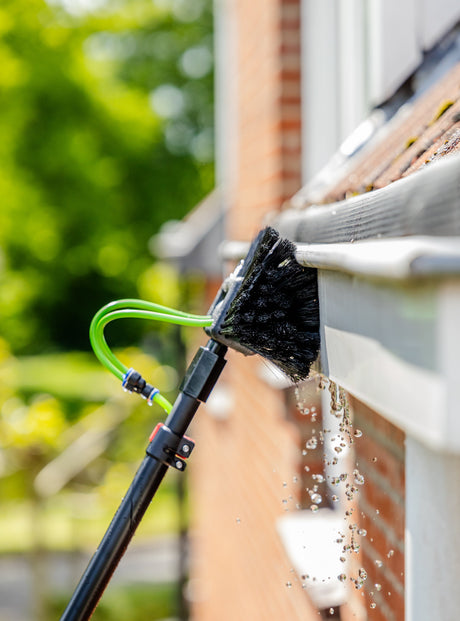
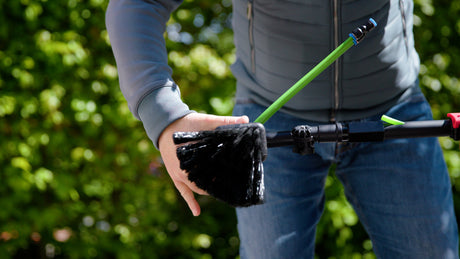
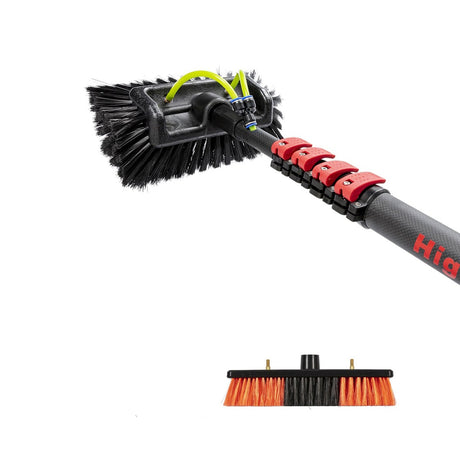
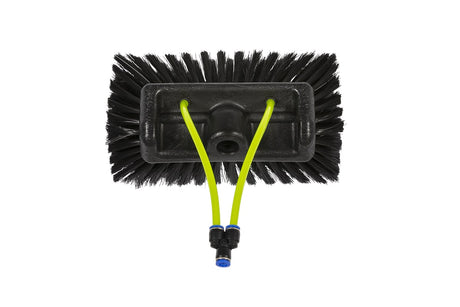
For window frames, fascias, overhangs and profiled wood, the separate five-sided brush for High-Clean telescopic poles is the most targeted choice. The bristles run along five sides, allowing you to reach flat surfaces, edges and undersides without constantly changing the pole's position.
Always use a clean brush and let the water do most of the work. Sand or other hard dirt between the bristles can cause scratches. Would you like to see how the brush and telescopic pole are used first? Watch the High-Clean telescopic pole videos.


Which telescopic pole do you need to clean woodwork?
The right telescopic pole depends on the required length, its weight and how often you use it. Choose by working length first and then by material. The telescopic pole selection guide helps you combine these two factors.
Aluminium for occasional maintenance
The aluminium telescopic pole with a five-sided brush is a practical choice for periodic jobs around the home. Aluminium is heavier than carbon, but provides an accessible solution for low and medium working heights.
Carbon Fiber for greater working comfort
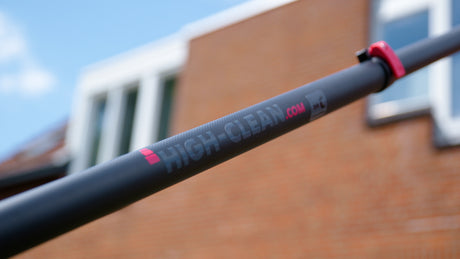
The Carbon Fiber telescopic pole with a five-sided brush is lighter and stiffer than aluminium. This reduces strain during longer jobs and gives you more control when cleaning window frames, facade woodwork or fascias at greater heights.
3K Full Carbon for great heights
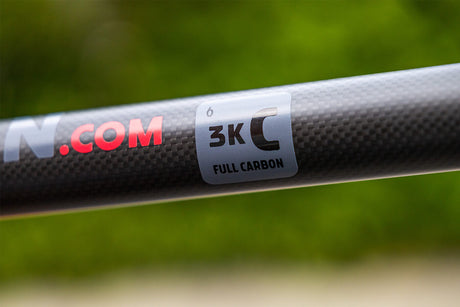
The 3K Full Carbon telescopic pole with a five-sided brush is intended for users who value maximum length, low unladen weight and high stiffness. This version is particularly suited to high facades and recurring or more intensive use.
Compare all available lengths and materials in the overview of water-fed telescopic poles. Do not automatically choose the longest pole: a suitable working length generally provides more control.
Telescopic poles with a five-sided brush for woodwork
-
Added to wishlist
-
-
Added to wishlist
-
-
Added to wishlist
-








Cleaning painted woodwork without unnecessary wear
Clean painted woodwork with a soft brush, limited pressure and a product that the product information states is suitable for the surface. If in doubt, first test a small, inconspicuous area. Do not use a scouring pad or direct a high-pressure jet at close range onto paint, joints or timber connections.
Preferably do not work on a surface that has become very hot, as water and cleaning solution may dry too quickly. Old, chalking or flaking paint requires extra care. Stop if paint remains on the brush and have the condition of the paintwork assessed.

Which cleaning solution should you use for woodwork?
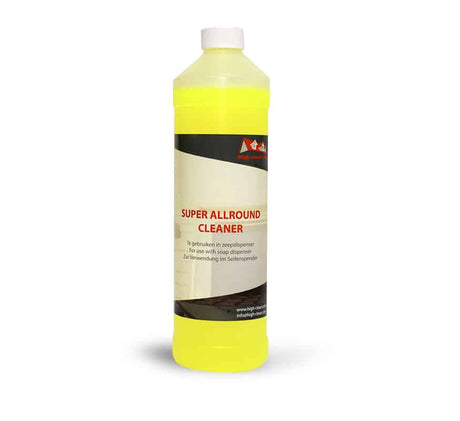
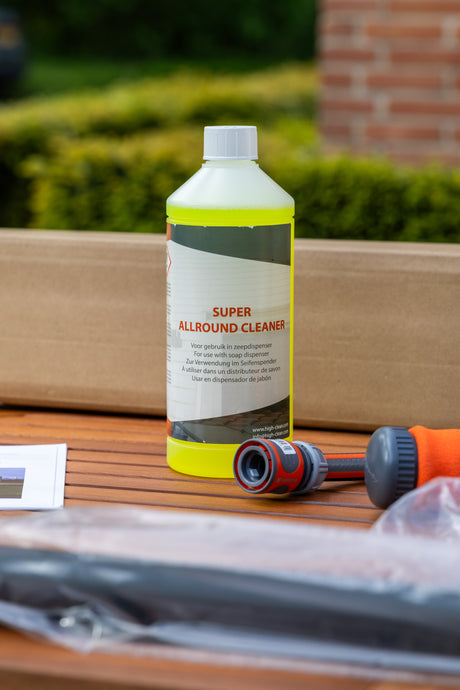
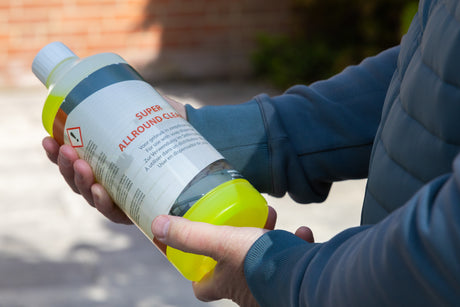
For light soiling, you can start with water and the five-sided brush. For dirt that this does not loosen sufficiently, the product information states that Super Allround Cleaner 1L is suitable for applications including woodwork, plastic overhangs and Trespa. Always follow the instructions for use and first check that the product is compatible with your paint or protective coating.
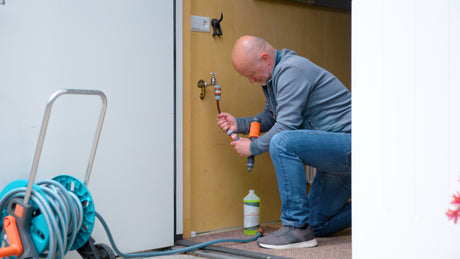
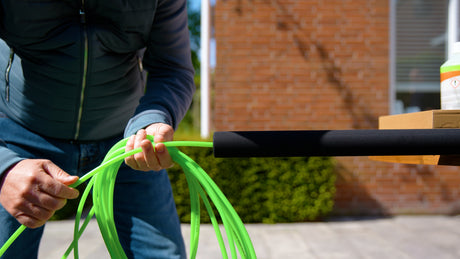
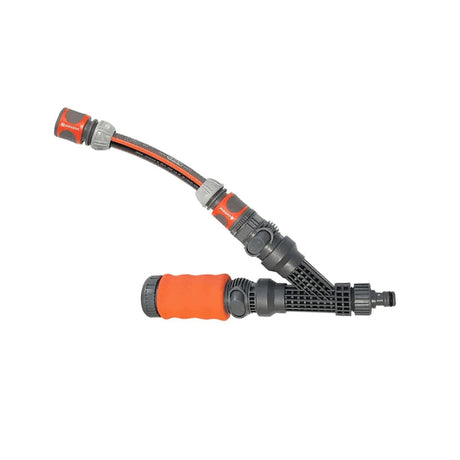
A soap dispenser allows you to switch between water with cleaning solution and clean rinsing water as you work. If you already have a High-Clean pole, view the available accessories and parts for telescopic poles.
Complete your telescopic pole for cleaning woodwork
-
Added to wishlist
-
-
Added to wishlist
-
-
Added to wishlist
-

What woodwork can you clean with a telescopic pole?
A telescopic pole with a five-sided brush is particularly suitable for exterior woodwork with edges and profiles. Examples include wooden window frames, fascias, bargeboards, overhangs, roof trims and accessible parts of a wooden facade. The same combination can also be used for painted and plastic parts around a dormer.
On a wide wooden facade, work in vertical strips from top to bottom. Around window frames, use the sides of the five-sided brush to clean the profiles. For taller structures, see the additional step-by-step guide to cleaning dormers.
Not every surface can be reached from one working position. Move yourself and the pole instead of forcing it sideways. This gives you greater control and helps prevent the brush from accidentally striking glass, roofing or vulnerable joints.
Choose your telescopic pole for woodwork
With the right working length and a five-sided brush, window frames, fascias and other exterior woodwork become easier to reach. Compare the High-Clean telescopic poles and choose aluminium, Carbon Fiber or 3K Full Carbon based on your working height and frequency of use.
Frequently asked questions about cleaning woodwork
How often should you clean exterior woodwork?
How often should you clean exterior woodwork?
Check the woodwork at least a few times a year and clean it when dirt or green growth becomes visible. The required frequency depends on its location, weather exposure, vegetation and the condition of the paint layer.
What can you use to clean painted wood?
What can you use to clean painted wood?
Use water, a telescopic pole, a soft clean brush and, if necessary, a suitable cleaning solution. Test the product on an inconspicuous area first and avoid abrasive materials and aggressive products.
Can you clean a wooden facade with a telescopic pole?
Can you clean a wooden facade with a telescopic pole?
Yes, accessible parts of a wooden facade can be cleaned with a water-fed telescopic pole and a soft brush. Check the paint or protective coating beforehand and work with limited pressure.
Why is a five-sided brush suitable for woodwork?
Why is a five-sided brush suitable for woodwork?
The bristles are positioned on five sides. This allows the brush to reach flat surfaces as well as edges, corners and the undersides of window frames and fascias.
What length of telescopic pole do you need?
What length of telescopic pole do you need?
Measure the distance from your safe working position to the highest point to be cleaned. Choose a pole with sufficient working length and allow for the recommended overlap between the extended sections. If necessary, use our selection guide.
Can you clean woodwork with a pressure washer?
Can you clean woodwork with a pressure washer?
A powerful jet can damage paint, joints and soft wood. For regular maintenance, a soft water-fed telescopic pole with a brush provides greater control. Have heavily soiled or damaged wood professionally assessed if necessary.