



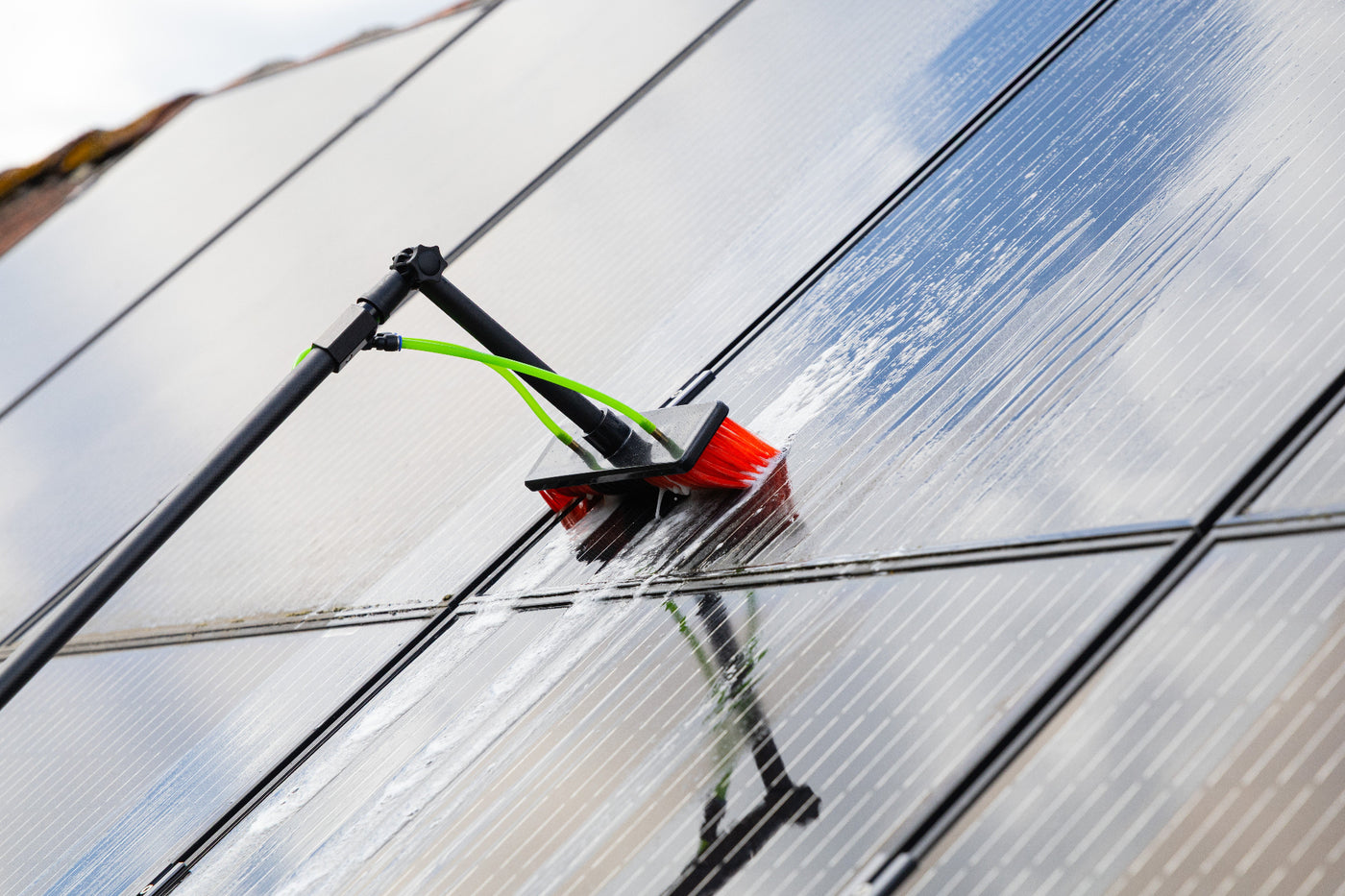

Is cleaning a patio cover important?
Yes. Regular cleaning prevents leaves, pollen, bird droppings, algae and other dirt from accumulating on the roof and along the profiles, helping the cover stay clear and well cared for.
Use a gentle method on polycarbonate sheets. Abrasive materials and unsuitable cleaners can cause scratches or a dull finish. Follow the manufacturer’s care instructions and preferably use water, a soft brush and, if required, a suitable cleaning agent.
Telescopic poles for cleaning your patio cover
-
Added to wishlist
-
-
Added to wishlist
-
-
Added to wishlist
-

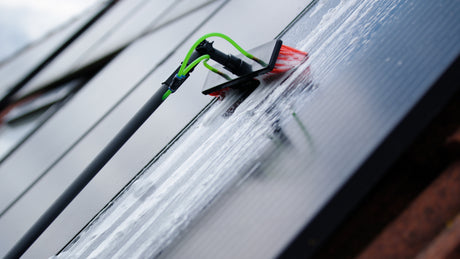

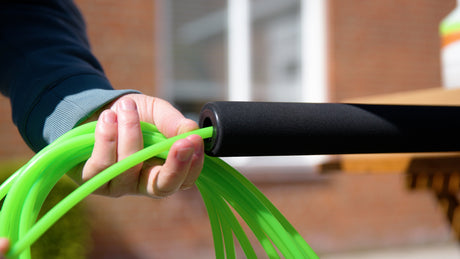
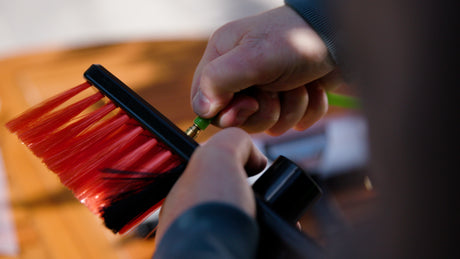
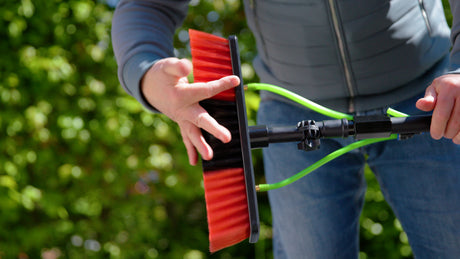


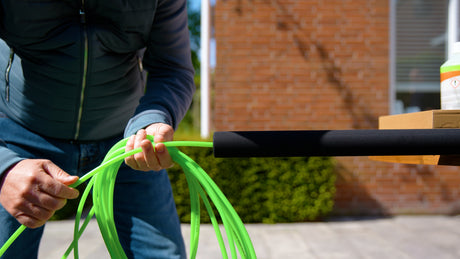

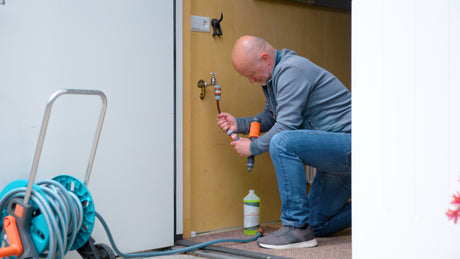


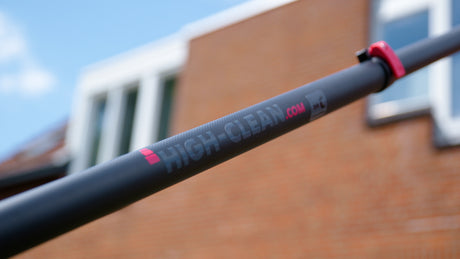

Cleaning a patio cover: step-by-step guide
- Check the material and follow the manufacturer’s care instructions.
- Clear the work area and make sure you have stable footing.
- Gently rinse away sand, leaves and dust.
- Wet the surface and let stubborn dirt soak briefly.
- Brush with a clean, soft brush using little pressure and calm, overlapping strokes.
- Work from top to bottom.
- Rinse thoroughly.
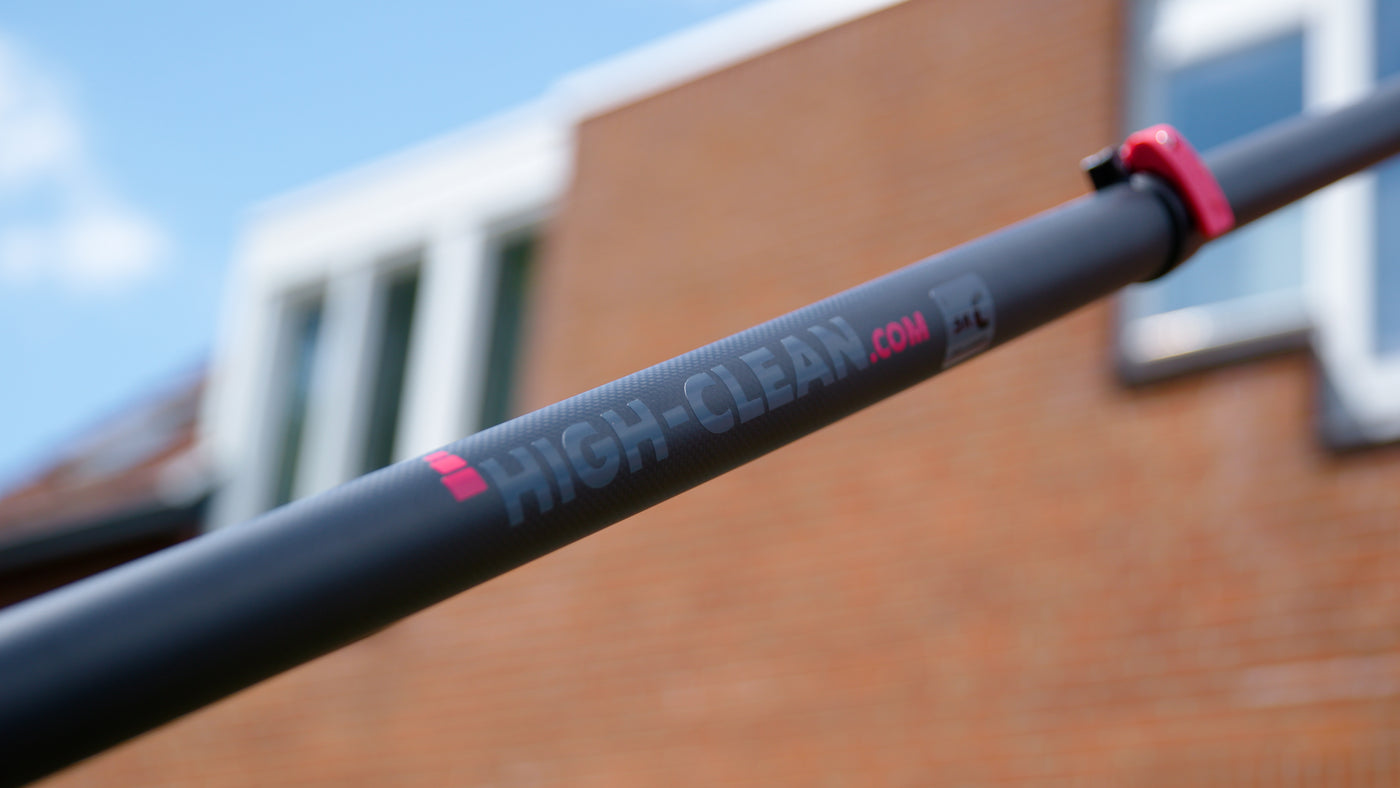
A telescopic pole helps you reach larger roof sections from the ground. Choose a length you can control. Use a professional when work at height is required or the cover is difficult to reach.
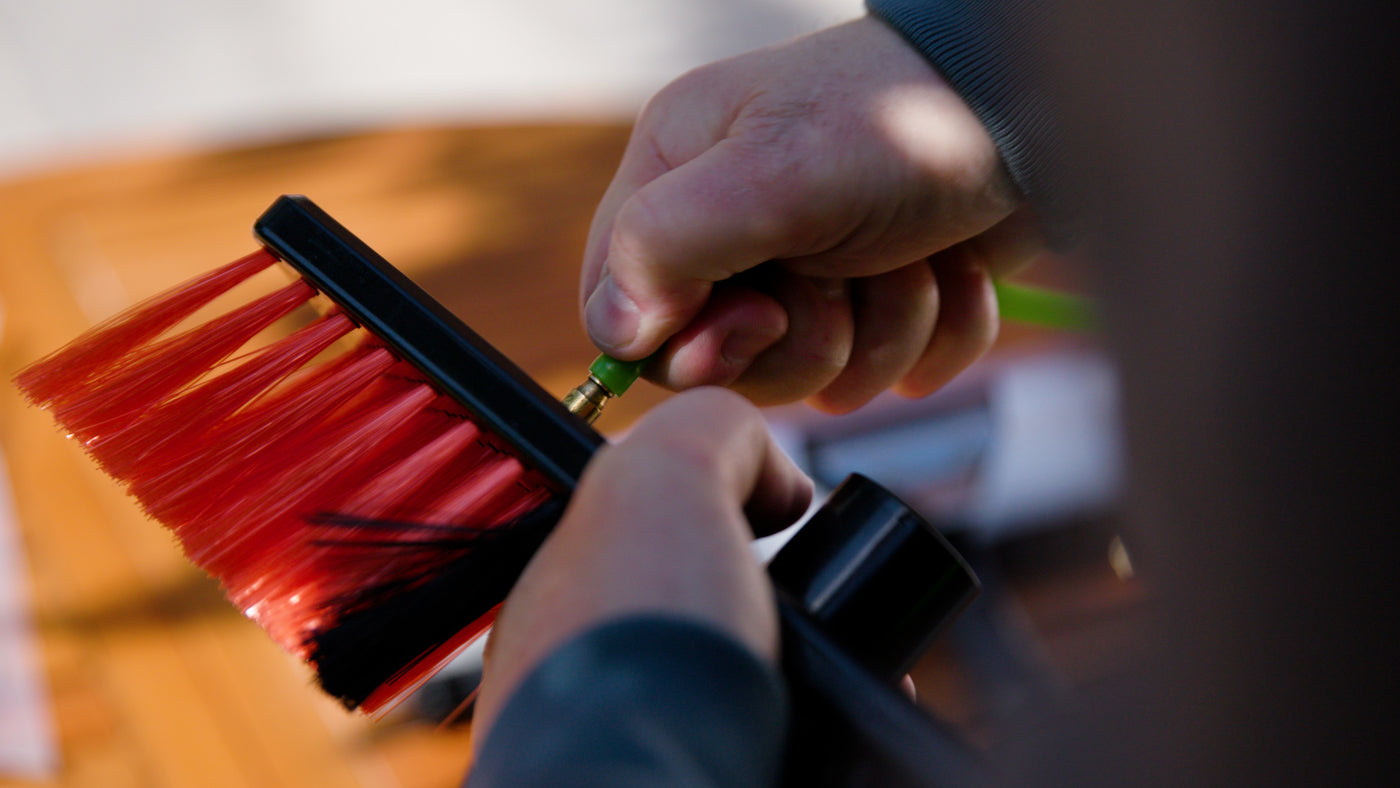

Benefits of cleaning your patio cover regularly
A clean patio cover lets in more daylight and gives your patio a well-kept appearance. Dirt is especially noticeable on a glass cover and on clear or translucent polycarbonate sheets.
Regular maintenance also helps you spot dirt around profiles, edges and connections in good time. While cleaning, check that drains are clear and that sealant joints or fixings show no visible damage.
The maintenance required varies according to the material, surroundings and type of dirt. For example, a cover beneath trees often needs attention sooner because of leaves, pollen and bird droppings.

Cleaning polycarbonate, glass, plastic and aluminium
Match the method to the material:
- Polycarbonate: use plenty of water, a soft brush and little pressure; rinse sand off first.
- Glass: remove loose dirt, then clean evenly. Low-lime or pure water can reduce visible drying marks.
- Plastic: avoid abrasives and test cleaners on a small, inconspicuous area.
- Aluminium: use a soft cloth or brush and consider the profile coating.
Before cleaning a veranda or conservatory roof, measure the working height and distance. The High-Clean selection guide helps you choose the right telescopic pole length.
Products for glass, polycarbonate and plastic
-
Added to wishlist
-
-
Added to wishlist
-
-
Added to wishlist
-
-
Added to wishlist
-
-
 Added to wishlist
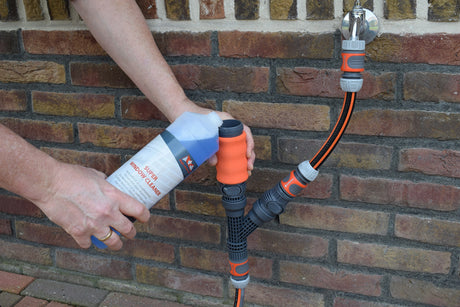


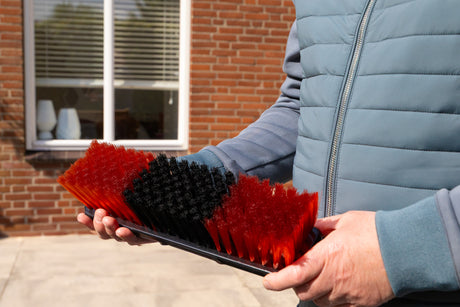
Which brush should you use to clean a patio cover?
Use a clean, soft brush that loosens dirt without unnecessary pressure. A water-fed brush rinses loosened dirt away immediately.
The 30 cm wide telescopic brush with spray nozzles is supplied as standard with our telescopic pole sets featuring an all-round brush. If you already have a complete set, there is no need to order it separately. Compare other brushes and attachments, and check material suitability and compatibility before buying.

Practical tips for cleaning your patio cover
Clean when the surface is not very warm. Check the brush is clean; rinse sand away; do not use an abrasive sponge; apply minimal pressure; never step onto the roof; follow the manufacturer’s instructions; and test cleaning agents in an inconspicuous area.
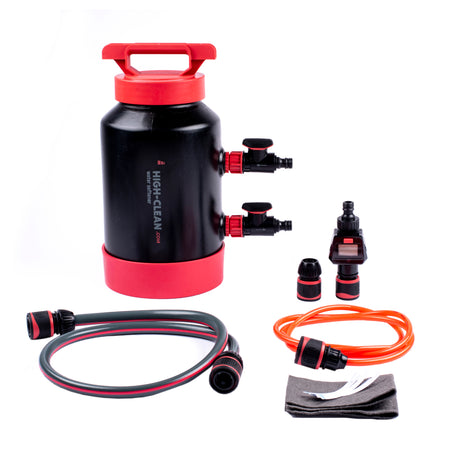
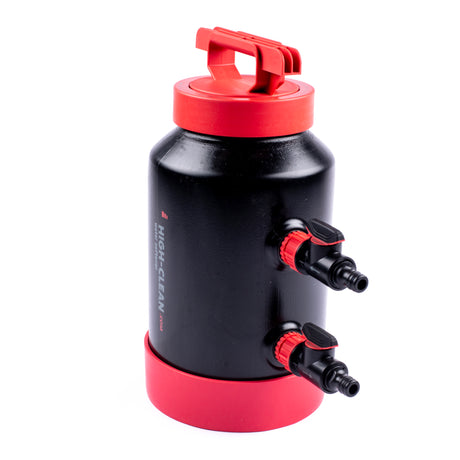
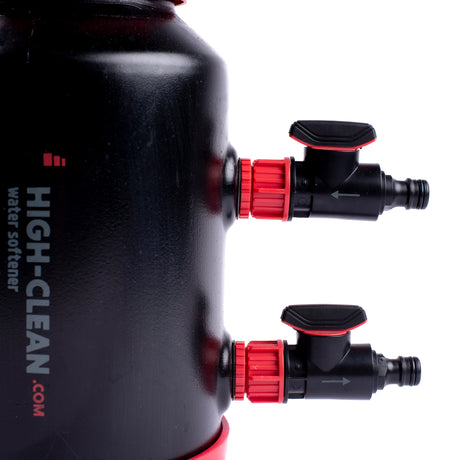
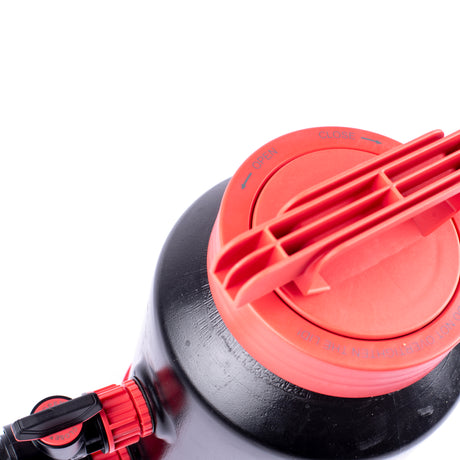
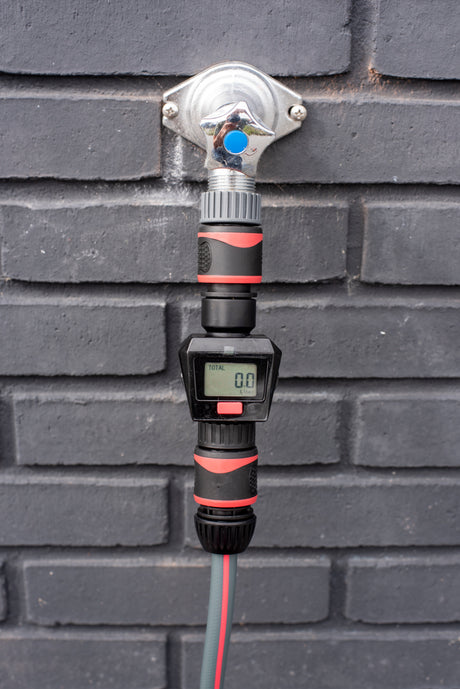
For glass, the Pure Water HCPW557 system can remove minerals from the water, reducing limescale and visible drying streaks. Choose a telescopic pole with an all-round brush that reaches the roof from the ground. Aluminium is practical for occasional use; Carbon Fiber weighs less at the same length and is more comfortable for frequent or longer cleaning.
Less chance of limescale marks and streaks
-
Added to wishlist
-
-
Added to wishlist
-
-
Added to wishlist
Frequently asked questions about cleaning a patio cover
How do you clean a polycarbonate patio cover?
How do you clean a polycarbonate patio cover?
How often should you clean a patio cover?
How often should you clean a patio cover?
It depends on the surroundings and dirt. Inspect it several times a year and clean when pollen, leaves, bird droppings or green deposits become visible.
Can you clean a glass cover with a telescopic pole?
Can you clean a glass cover with a telescopic pole?
Yes, if you can reach the glass from stable ground. Use a soft water-fed brush and avoid brushing sand across the glass.
Which cleaning agent should you use for polycarbonate?
Which cleaning agent should you use for polycarbonate?
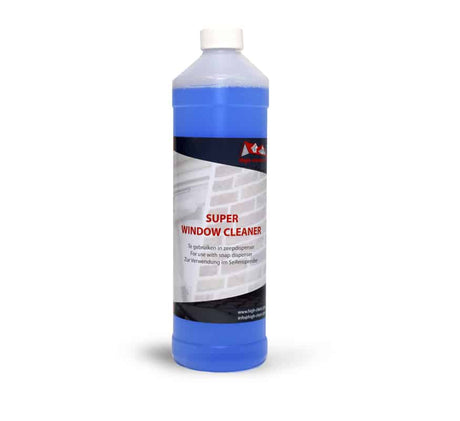
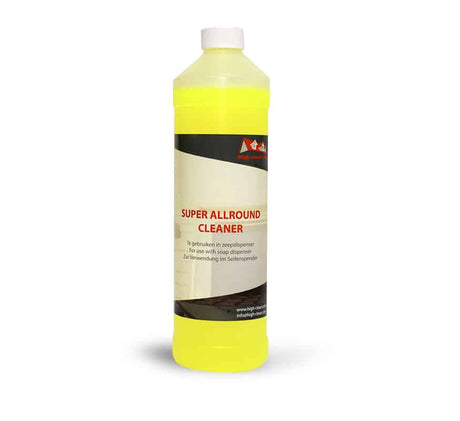
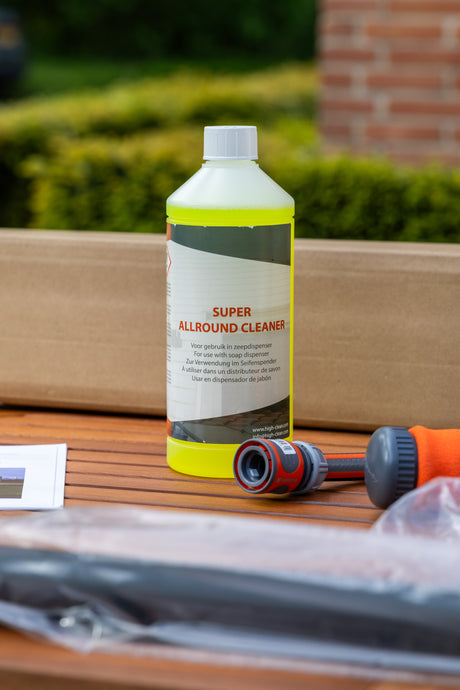
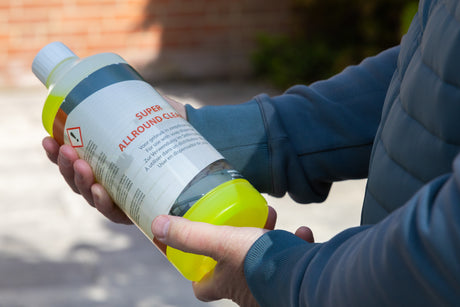
Only use a product approved by the manufacturer. According to its product information, High-Clean Super Allround Cleaner is suitable for polycarbonate sheets. Test it inconspicuously first.
Can you clean an aluminium cover with the same brush?
Can you clean an aluminium cover with the same brush?
Usually, provided the brush is soft and clean. Consider the aluminium coating and follow the supplier’s care instructions.
Can I clean my veranda roof from the ground?
Can I clean my veranda roof from the ground?
Yes, when a suitable telescopic pole gives you controlled access to every part. Use the selection guide and call a professional in unsafe or hard-to-reach situations.